Gothic arch square groin vault, set on 7:12 pitch

letโ€™s get caught up in class.

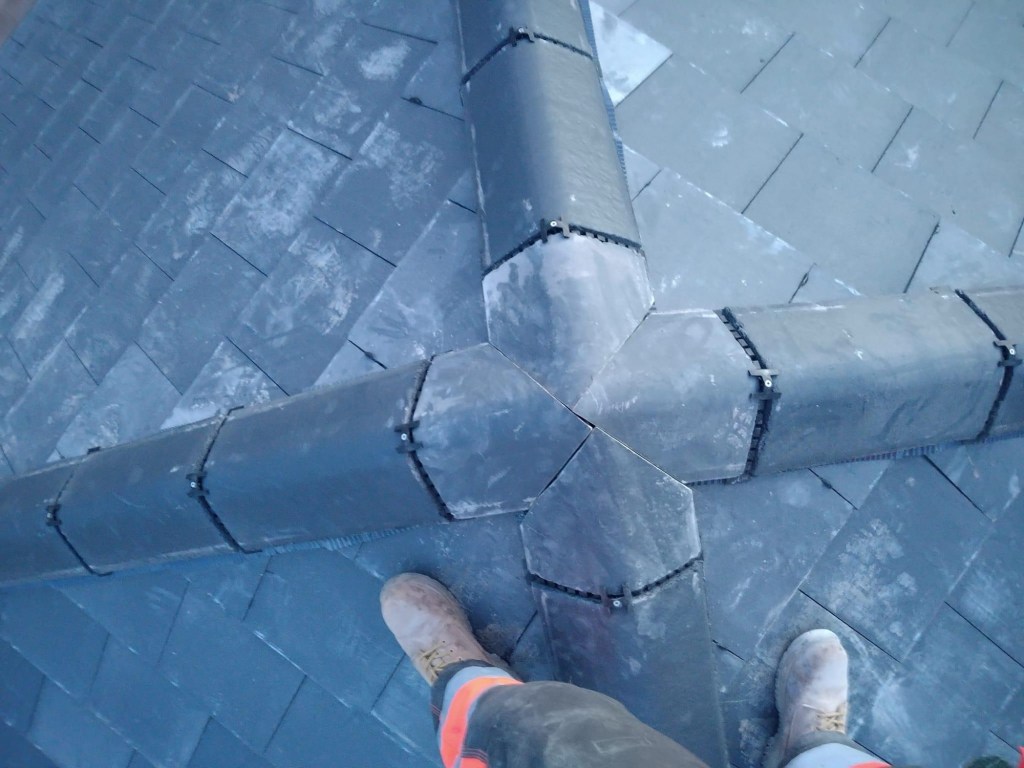
Ruff lads, window gals covered in sarco. You might look at all these stereotomy lessons we practice and think: โ€œright, Iโ€™m not working on a cathedral, Iโ€™ll never use thatโ€ but we find intersecting forms needing the same pattern work all over construction. Inspired by this photo of a crudely mitered tile ridge cap, I decided to set off this task model: Gothic arch groin vault intersecting on 7:12 pitch.
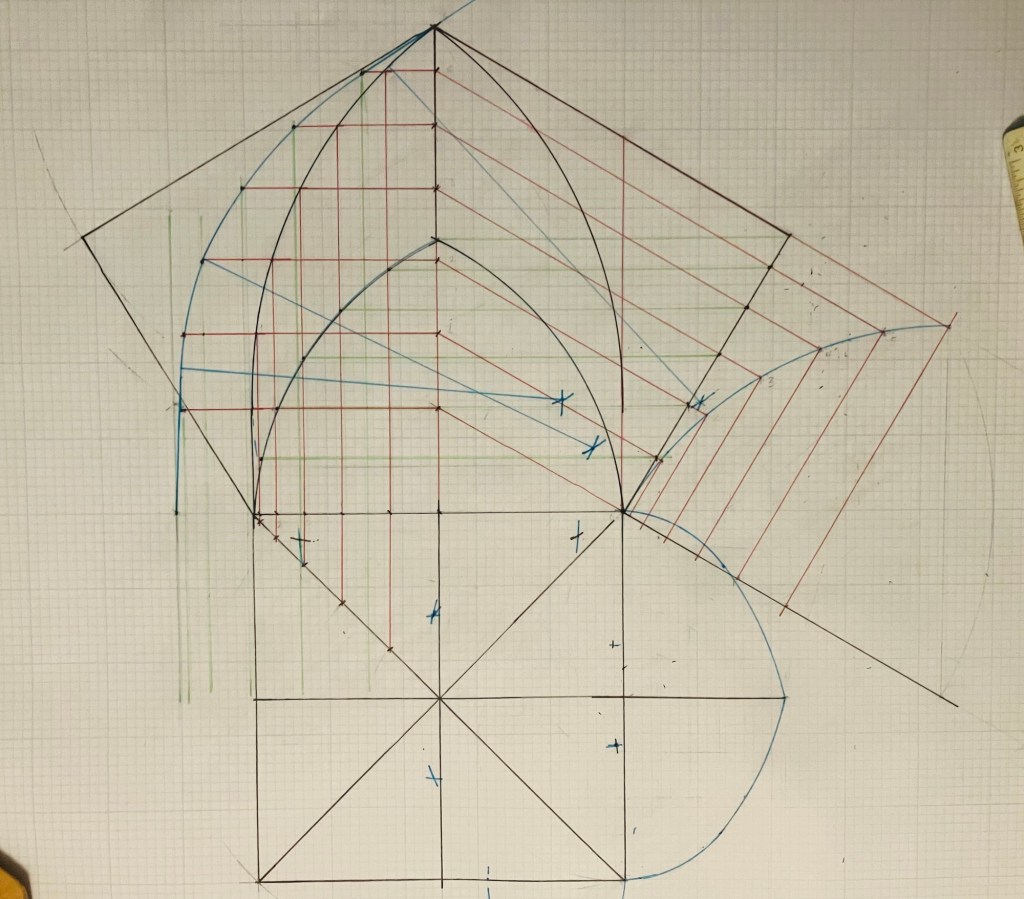
*update: this is the third board. Iโ€™m using neubecker roof cutting bible as my main guide for the methods here. His book shows the development for the intersection of irregular hip intersecting a ridgeโ€ฆ.thats the first thing different about this, you have to draw the elongated form of the profile first (just like doing a crown mold on raking pediment) and it generates the plane for all the other cuts.

notes on the tedious debate of how to cut up a circle or generate an ellipse: it doesnโ€™t matter. You can use tangents to find your centers and approximate with arcs thatโ€™s what they all did. long as you create the proper surface dev and hip oblique view as a checksum, you have your true length of the curve, and you have the coordinates in the oblique view, you have a full suite of information needed to generate the cut.

in real life when you cut on the material you will be using a spline to average the coordinates so it doesnโ€™t matter how well you generated perfection with your circle dividing method.

In real life, on the most serious of stone cutting or timber shaping: I guarantee you, whatever โ€œmazerole magicโ€ they did on task model will be proved and checked with direct measure on the scribing floor. Those true lengths will become no longer theoretical but actual pieces of string or a spline. to find that curved surface it will be translated by the material properties of the tramel, the spline, and the action of the mechanic.

Floating stairs

The heart of the design starts with the stairs. The stairwell is the central feature in this building. Here is the detail sections for the cellar stair, of which the third landing is the garage floor level and walk up to first floor.

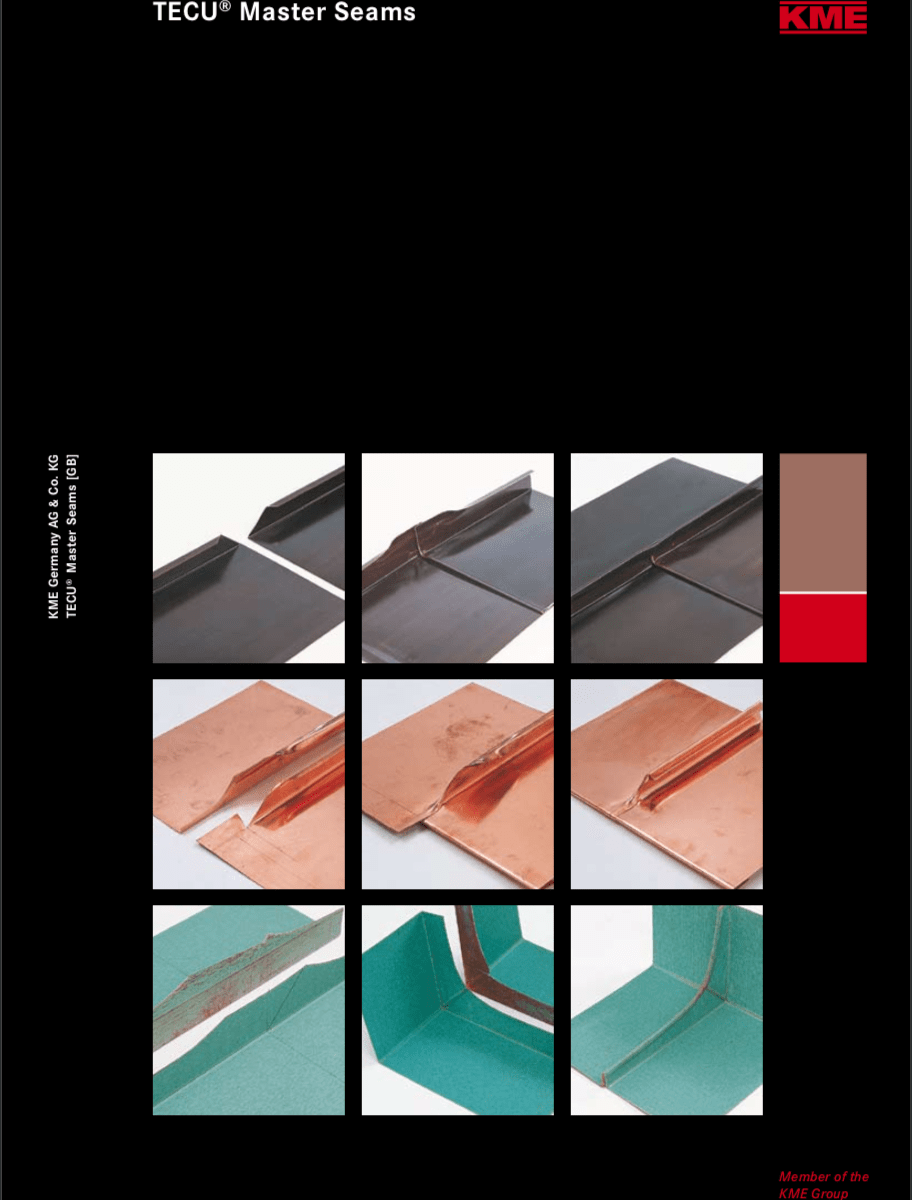
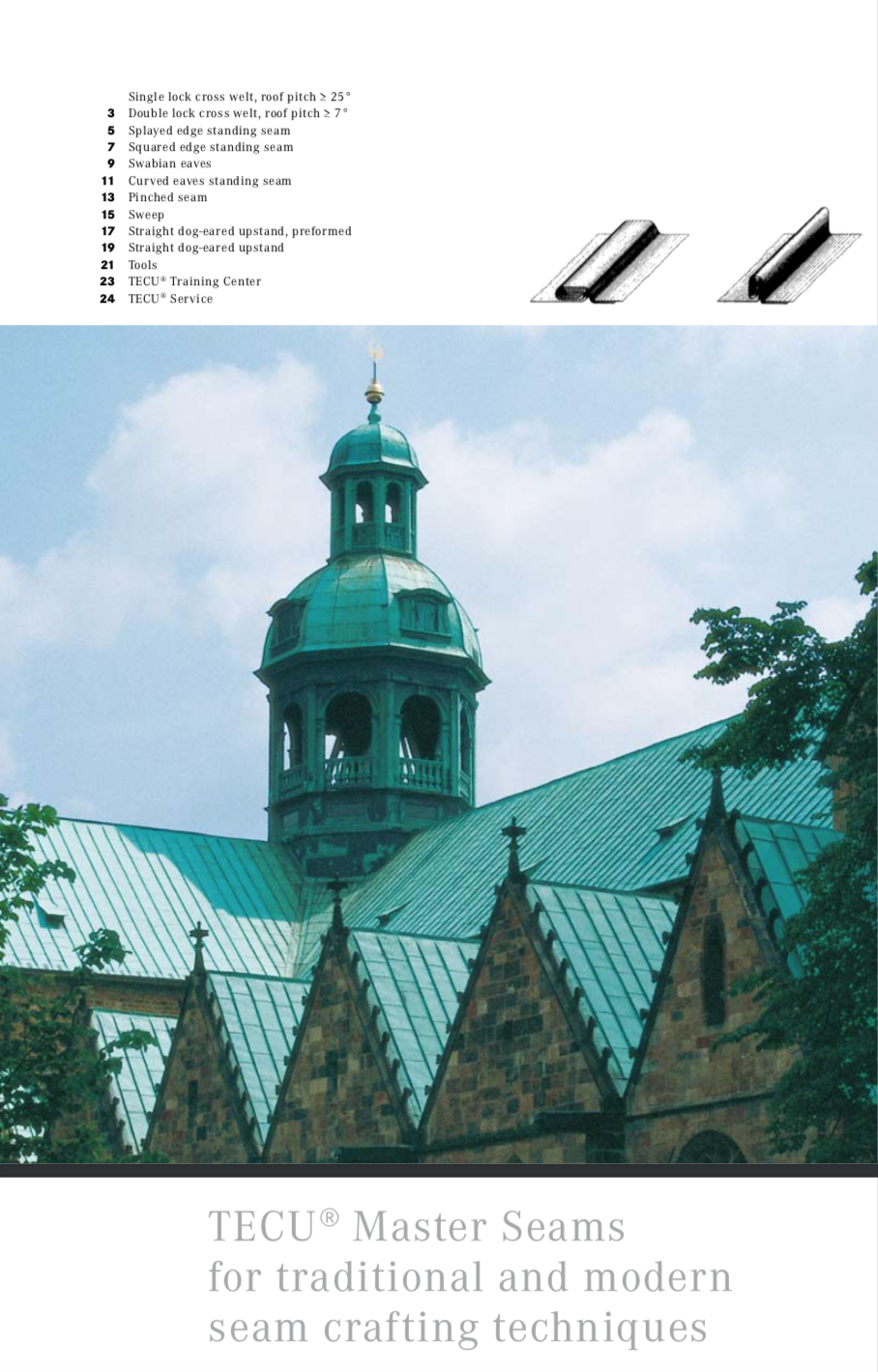
TECU Master Seams: a primer in metal roof seaming

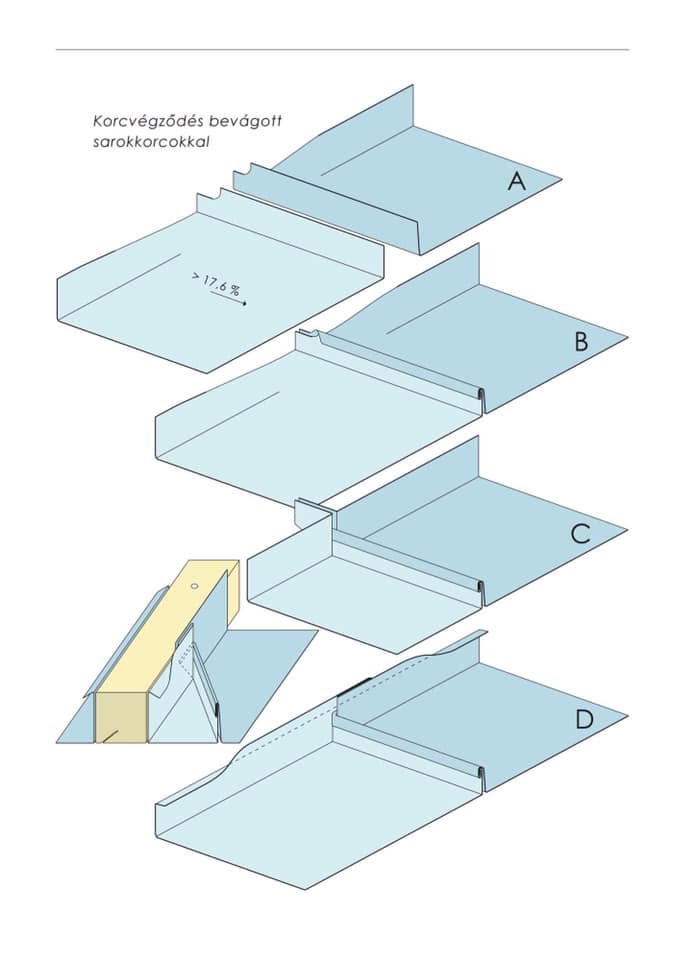
There is very little information in english on traditional metal roofing. This is what prompted me to begin studying seaming, and publishing the metal roofing bible in 2018 after years of study and work in this field. I found all of the American resources lacking in this department, and most of the leaders in the field of historical roofing in America lacking in their knowledge of time-honored methods for folding and seaming. This short brochure is one of the few examples that show basic seaming techniques.

Although it does not offer instruction on how to create patterns for unique situations, it gives the reader the basics of the “knots” used to accomplish different details in metal roofing without cutting, soldering, or sealants. These techniques allow the roofing elements to be free-folded, and more importantly it allows the roof to be repairable in the future without disrupting the entire assembly. This is not possible with american flat-lock methods where pans are soldered together creating a monolith.

Universal Sheet Metal Pattern Cutter, VOL2

“Surface development” or “surface pattern making” is the process of creating a 2d pattern for any shape that will be formed out of sheet material to create a 3d assembly.

The skills of surface development pattern making are important for decorative sheet metal, historic preservation, metal roofing, and copper work. Learning how to develop a pattern for any shape you would like to create can be useful for larger architectural forms as well.

One of the techniques used in pattern making is called “parallel line development”. This skill is vital for creating notching patterns for standing seam roofs.

The book, along with many other primary sources are hosted at The APT Library at the internet archive.

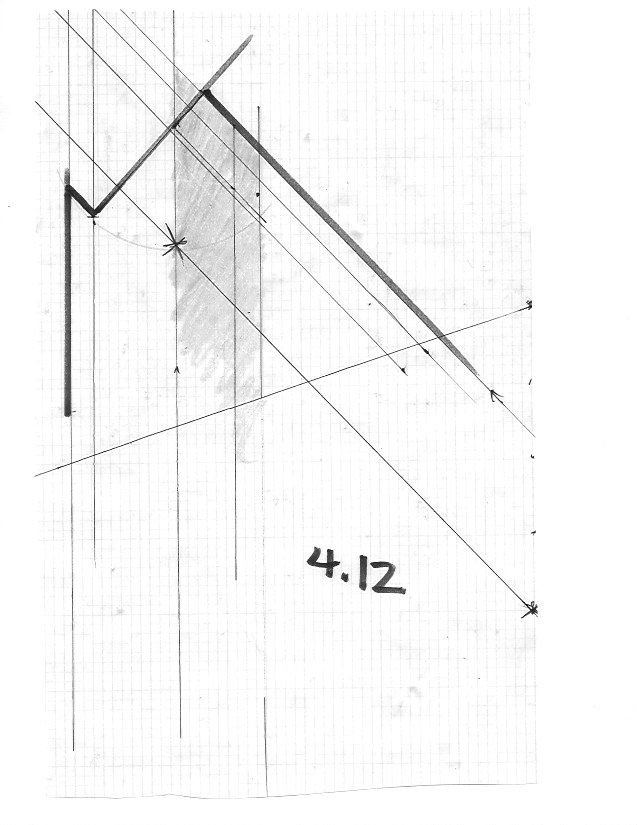
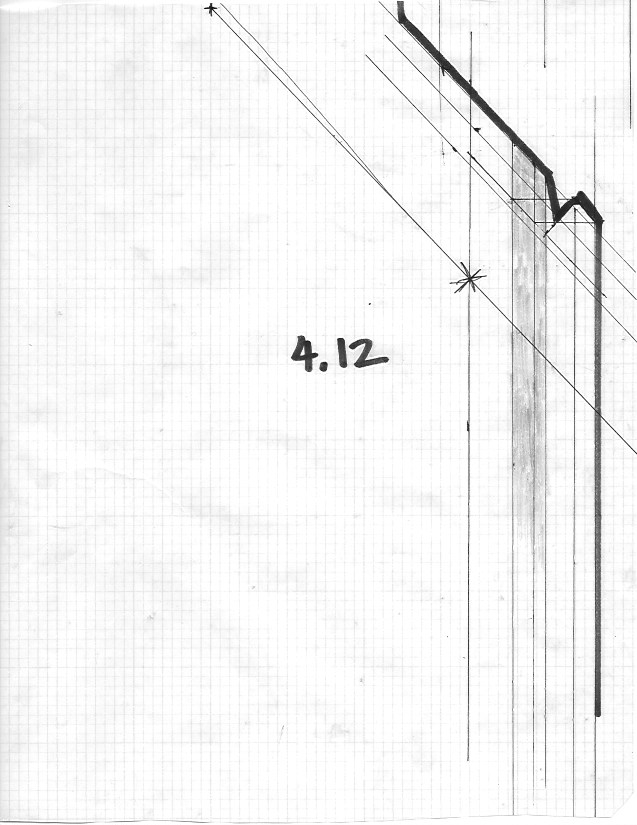
hip patterns series 4:12 and 6:12

Over my time in the shelter from November, thru the beginning of February, I worked on these hip patters. These are useful for creating folded hips on a standing seam copper roof, although any light gauge material that will not rust can be used. Eventually I will get them all scanned and available on an index page. One-off patterns are always available. Contact for metal roofing design and pattern work!

Print out the PDFs and align to the un-formed pan end.


Print out the PDFs and align to the un-formed pan end.


Print out the PDFs and align to the un-formed pan end.


Print out the PDFs and align to un-formed pan end