Jana Hodúrová shared a post to the group: КИЯНКА.

The Internet's Own Historic, Traditional, and Permanent Building HQ
Jana Hodúrová shared a post to the group: КИЯНКА.

Folks, it’s been a great weekend. Kirk picked me up on Friday. He’s building a garage and using salvaged slate for the roof and the siding. Over the weekend we started work on the roof together. First task was the drip edge. We made some origami corners for the drip and used “my” double lock clip system which give it a real old-world handmade kinda look while also being very easy to install.
We don’t have copper yet so the pan-forming work will have to start next weekend. We are doing a 3′ snow apron in standing seam copper, and the roof will have 4 skylights so there is quite a lot of custom detailing to work on.

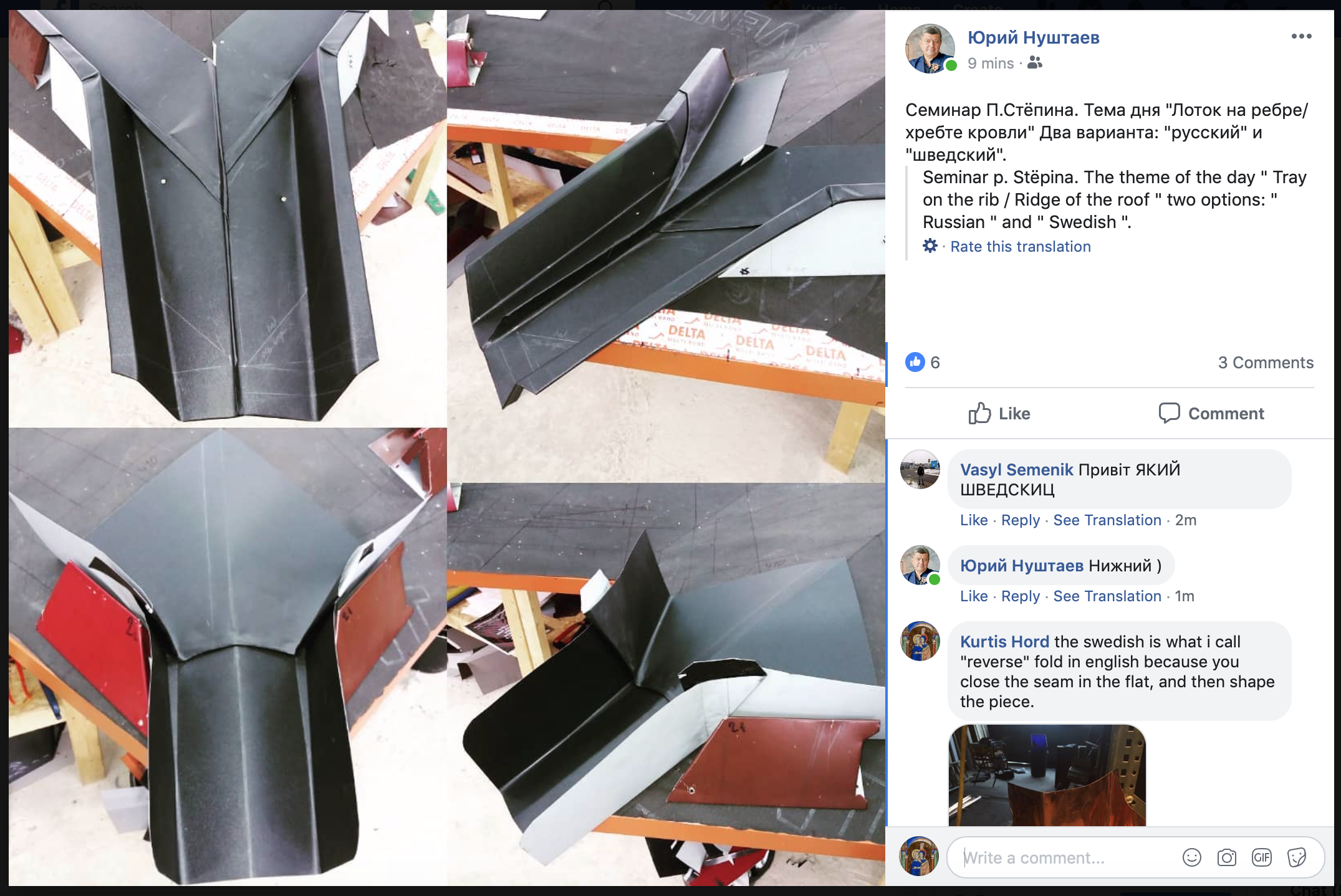
The drip corner starts as a miss-shaped copper fortune cookie..

And then it’s nailed onto the corner and shaped in-place with an anvil and planishing hammers.

No need to cut/miter the drip edge and the corner has a strong, one-piece gusset now that you can step on without it crushing.

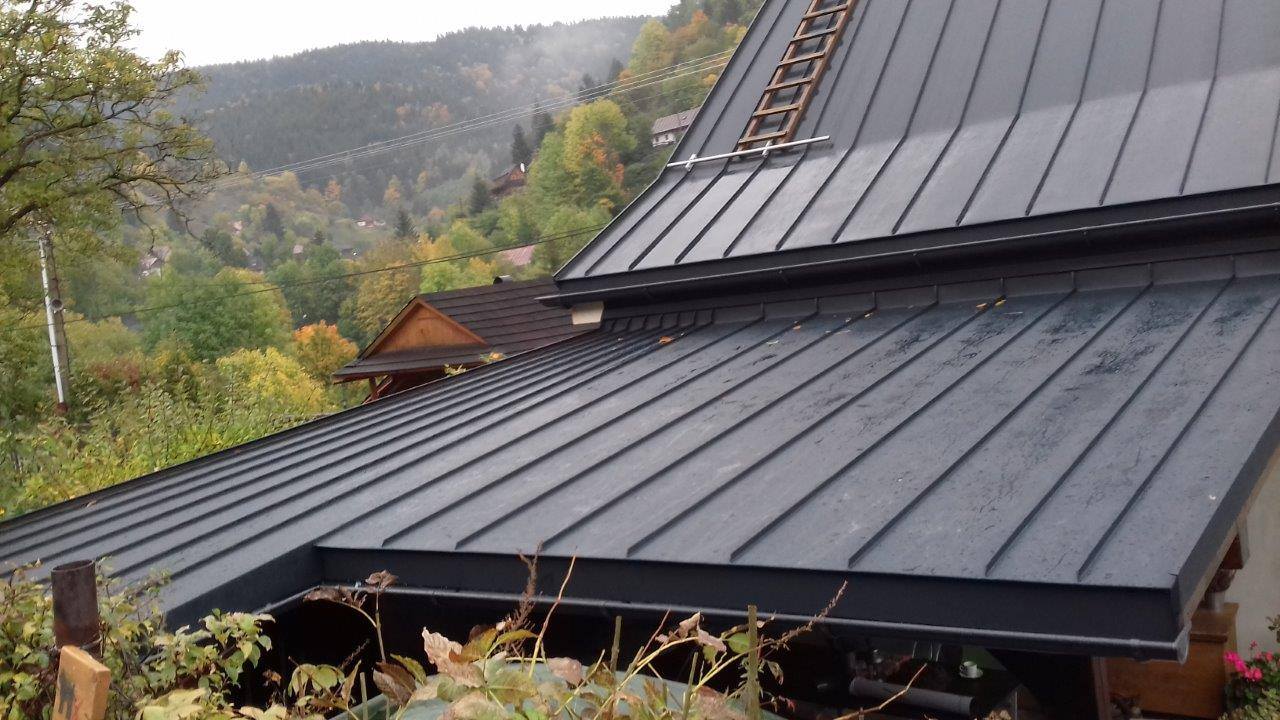
This shot does a great job of showing process and finish in the same photo. Every region has unique styles but they all follow the rules of trad roofing: full joinery. I’m a big fan of the transverse seams on the valley intersection.
Why is this superior?
An old roof I captured while in Virgina.
This roof is nearly 100 years old, has fully seamed details and is still functioning perfectly. How many times did their neighbors pay for asphalt re-roofs over the years as this proud roof continued to give a return on initial investment?
This is a wholly transcendent system: I can’t image why any honest roofer who assess their conscious could imagine doing anything other than this: every time.

It is a real shame to see this over and over and over again. There are a lot of American historic roofers who have only ever known flat lock. I will continue to shame them.

Flat lock, was a mistake in the past and it is still a mistake today. Roof tinners in early America developed flat lock, out of necessity and ignorance. They had complex shapes to cover, and they had no guild training so they weren’t aware of free seaming without solder. It was a “good enough” approach.
Why is this bad?


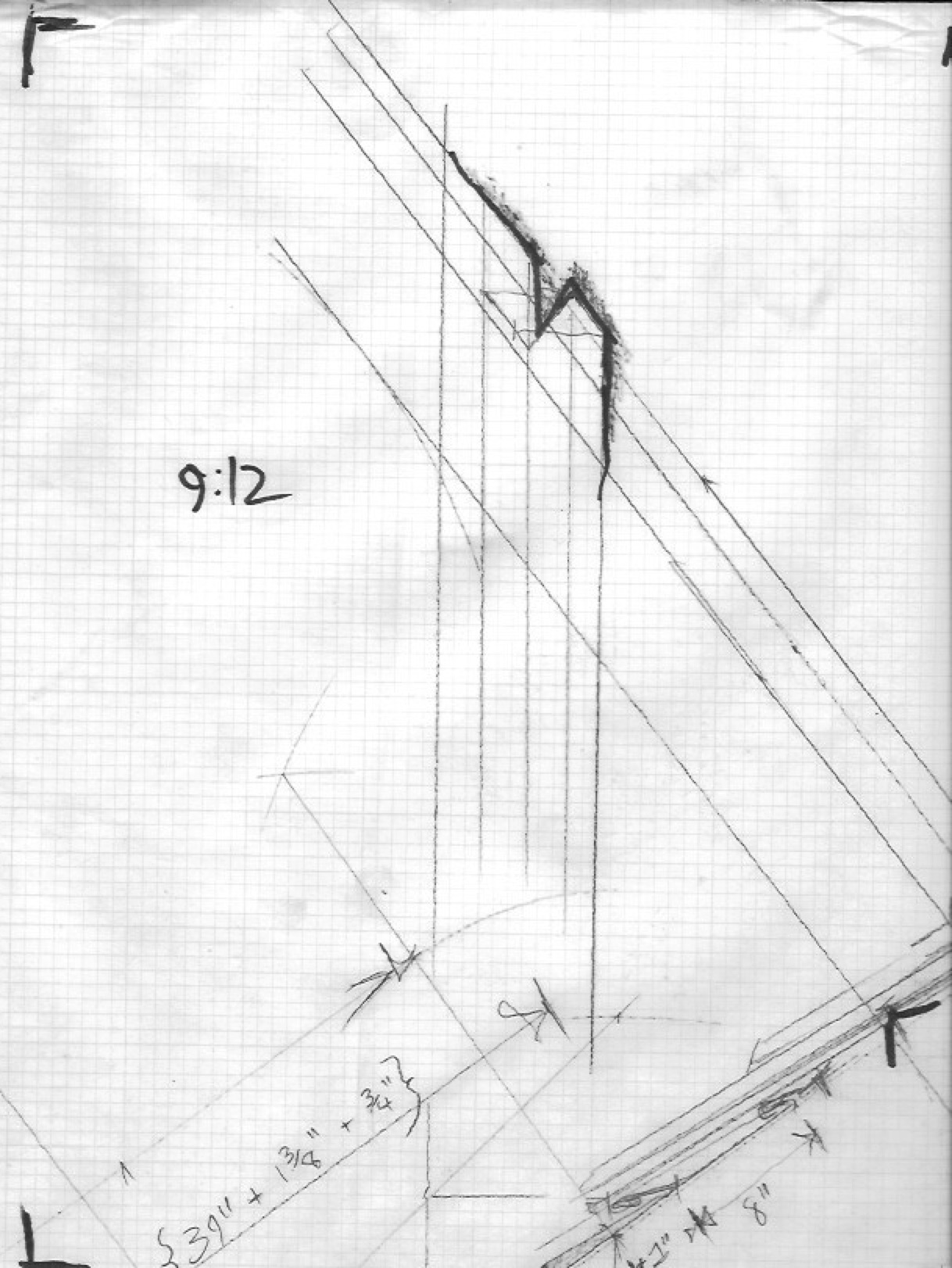
This is a foundation seam. With this technique you can construct standing hips, bread pans (the alternative to z strips), curbs, or any place where you want or need an alternative to a lay-down seam.

Just a greatly executed roof on some interesting architecture.


Hello everyone. This is my first post on kiânke. I represent the company “the first roof workshop”, the city of kharkiv.
Our team just came back from Kiev, where we participated in the construction service festival. Where we were invited by our partners company “kverb”. for the exhibition, we brought the first in Ukraine a machine-template for the manufacture of salary salaries.
Impressions Sea!!! New dating. Masters from all over Ukraine gathered. And also the cool guys from Belarus. Hello everyone


 Trad Building
You must be logged in to post a comment.