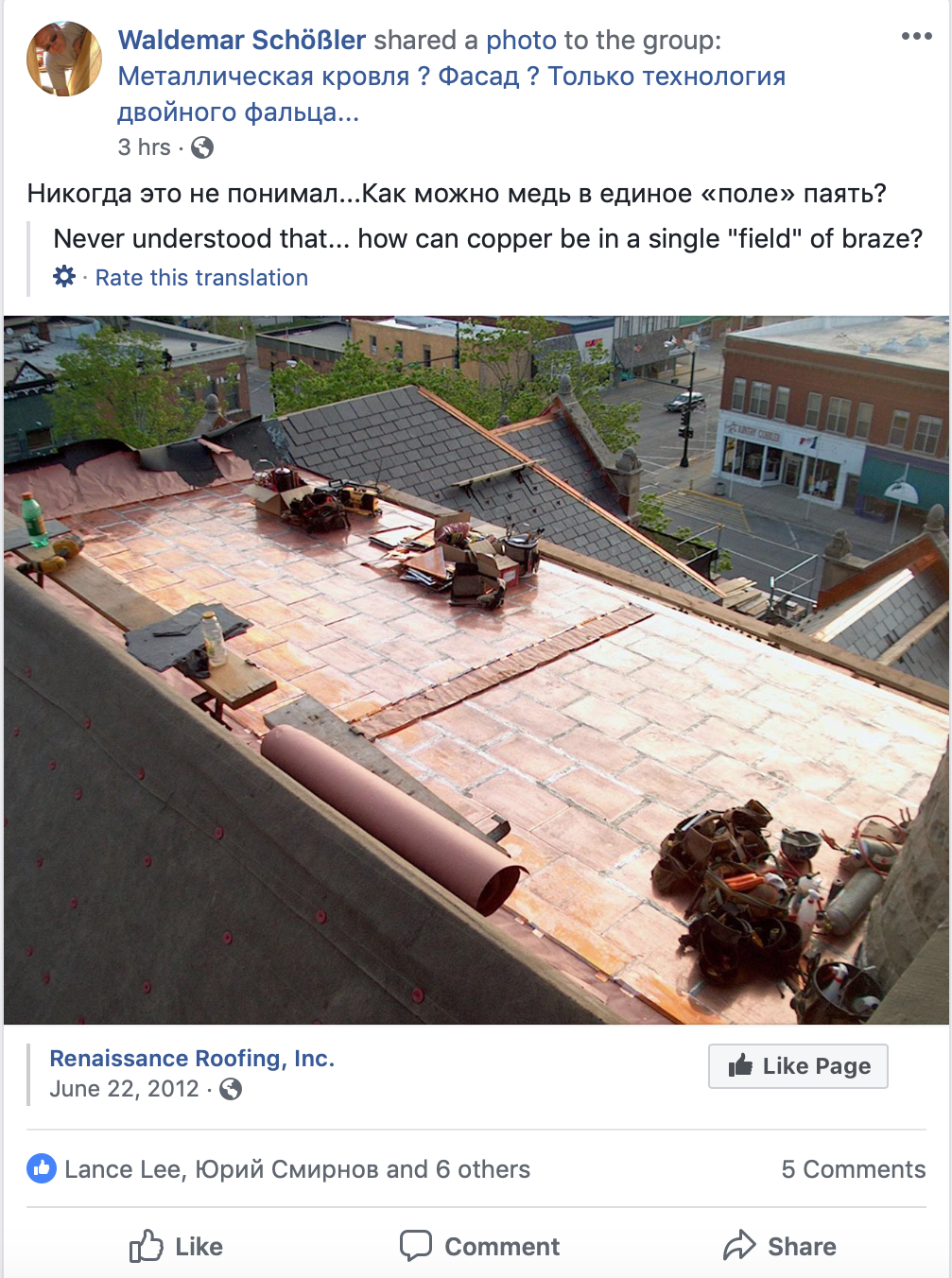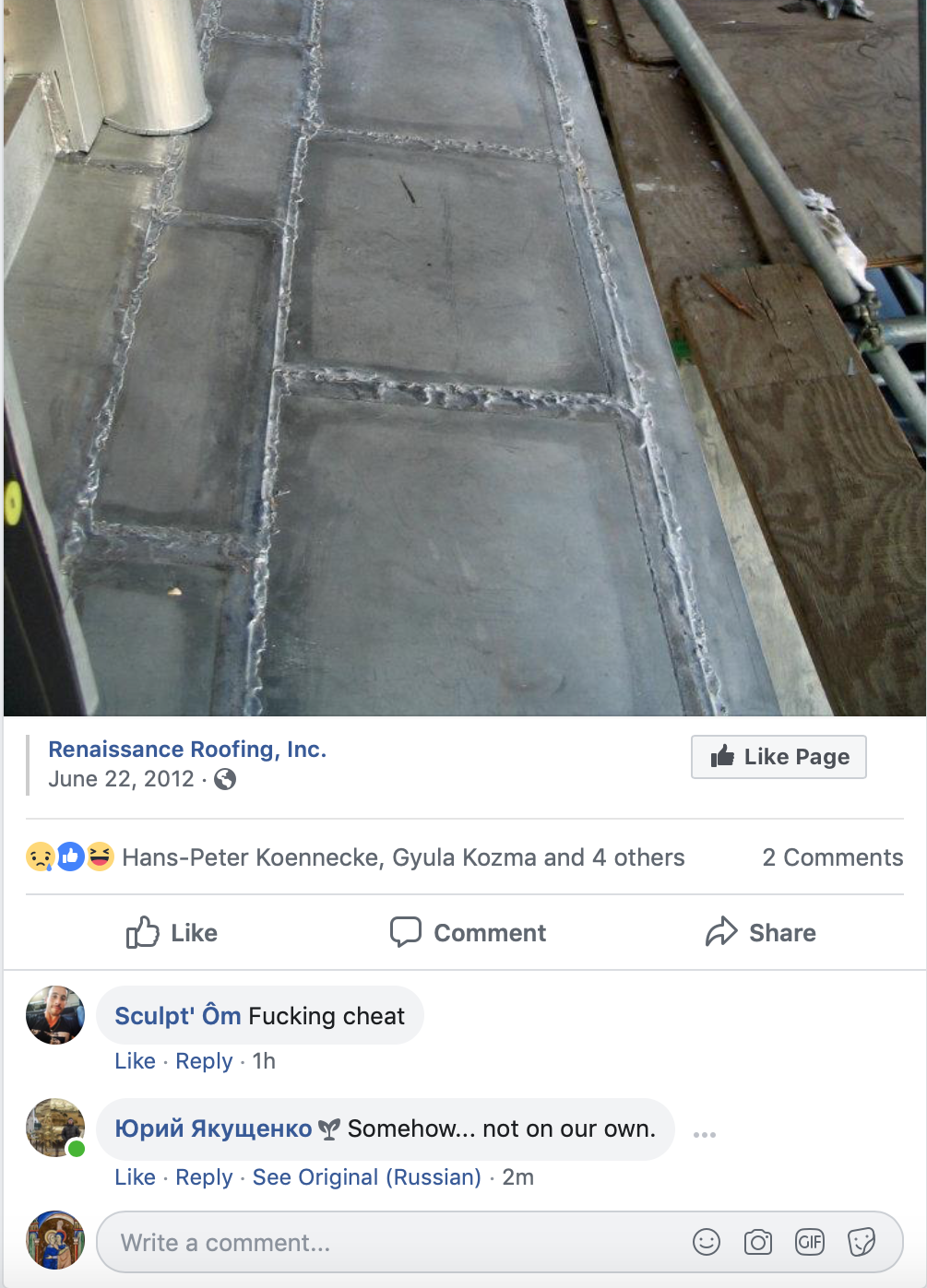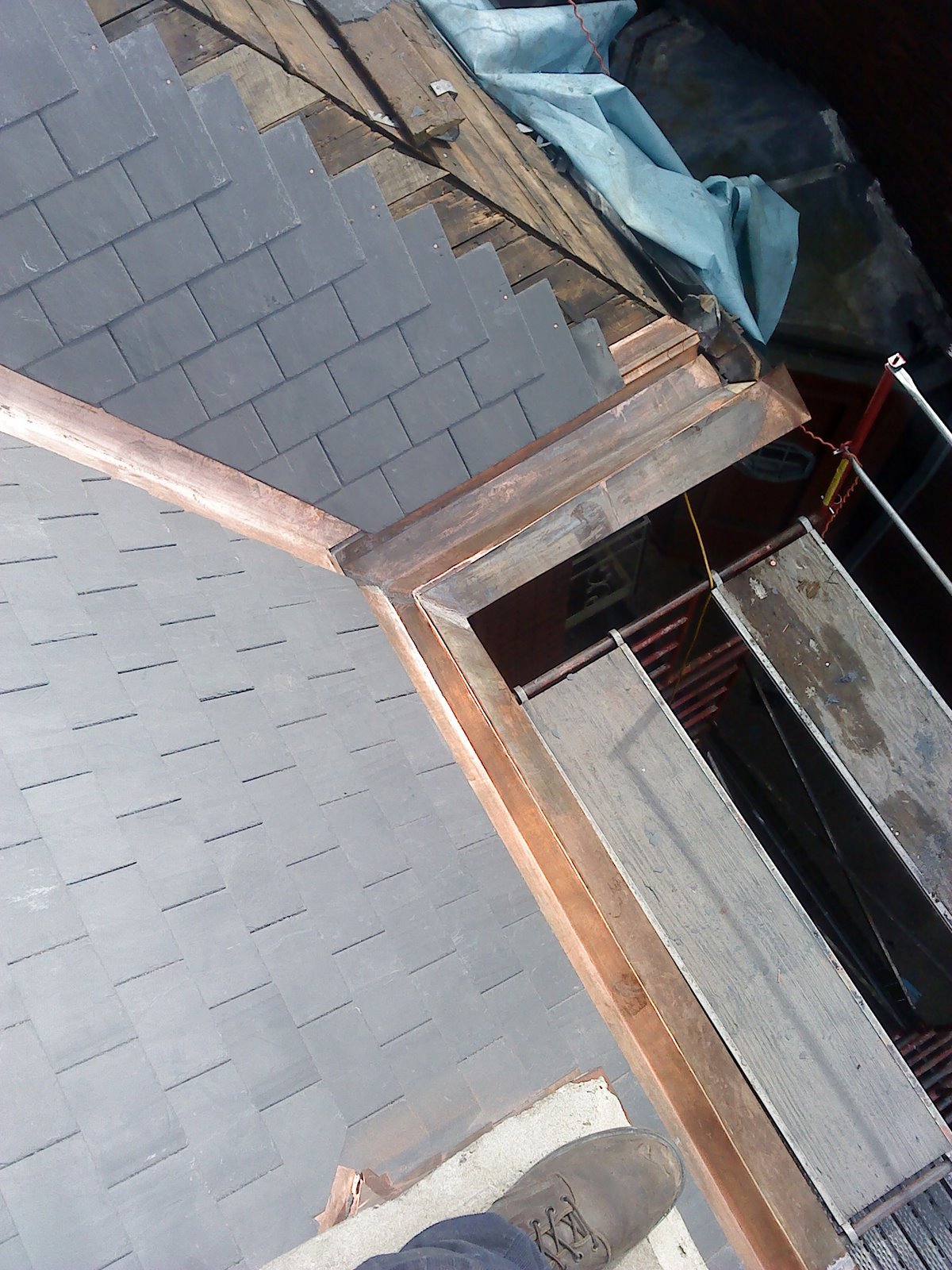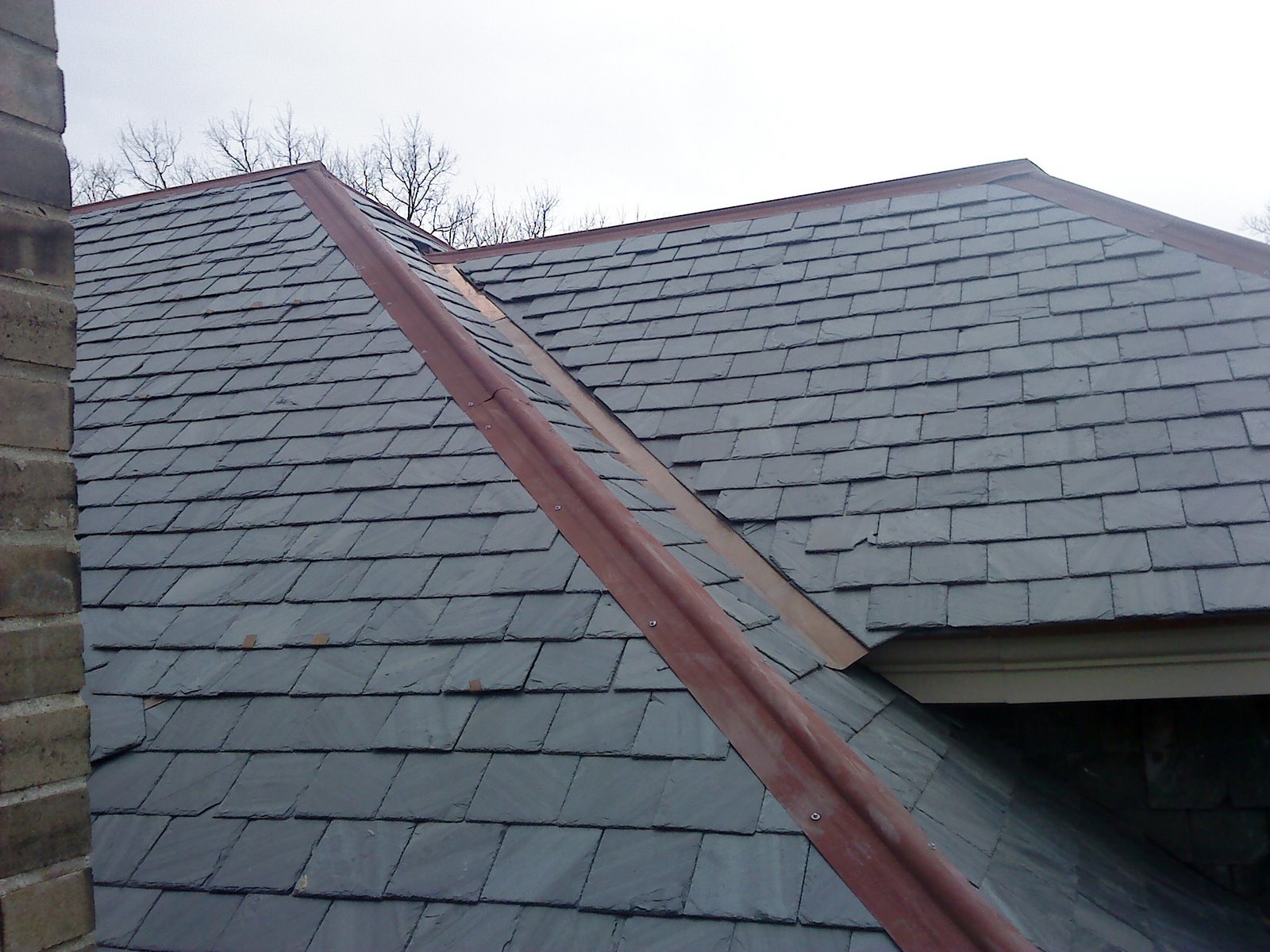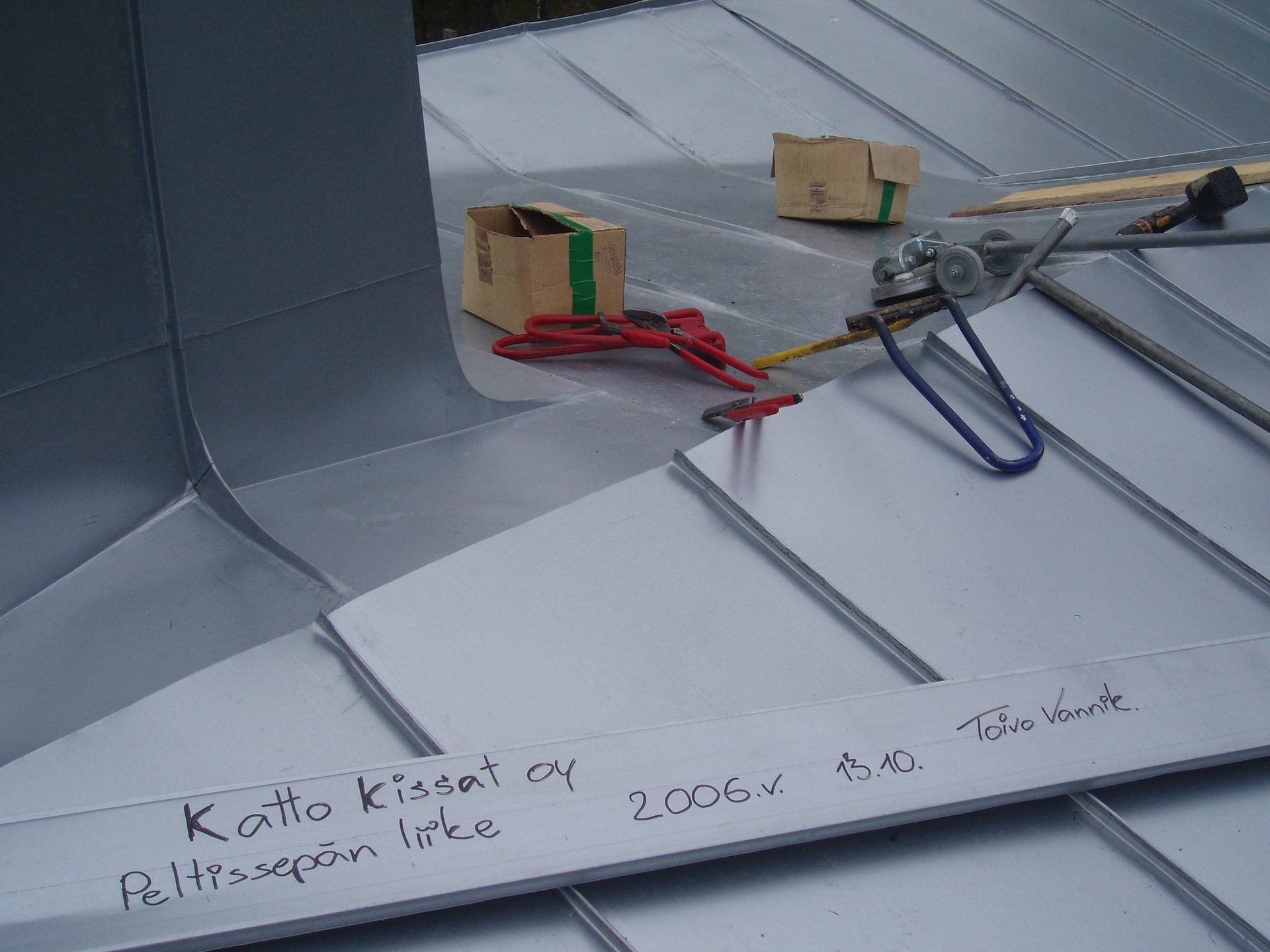
A great photo sequence that shows metal roofing joinery

It’s hard to write about joinery in plain english and properly translate the concepts that are important to understand. Most folds take several steps of planning and operation, they don’t look pretty during the process so it’s not very photogenic. It is also not so much fun to watch except for someone who is learning how to seam.

This is the biggest issue in America is education: There are so few roofers (even “historic” roofers) who understand how to seam, because the market is making money training people to do sub-par methods with caps, and sealant, and screws.

We don’t even understand fully the impact of what we lose by choosing to continue the “production” roofing methods. Mainly: lost wealth. This goes for the whole exterior of the house. We chose to put our wealth in the pockets of manufacturers: producing cheap windows, plastic and aluminum siding, and veneers. These products might give you a temporary “curb” appeal to the un-educated when they are new, but over time that initial investment will depreciate, and need “remodeling” in a generation or two. This means there’s a secondary market for disposable roofs, siding, and windows that you are locked into every 20-30 years.

The more prudent way to build wealth in a property is to restore the exterior (strip and paint if wood, tuck point with lime putty in brick). The windows can also be restored, and when properly restored with a storm window they function just as well as those plastic replacements which do not last.

Durable methods and materials provide a lasting true value that will not be chipped away at by future needs to repair or remodel.

A formula for true value in building.

The only suitable building materials:

  • Lime putty
  • Sand
  • Brick
  • Stone
  • Noble timber
  • Slate
  • Tile
  • Copper

The only suitable methods for walls/frames:

  • Timber frame with joinery
  • Mass wall in brick or stone, timber frame roof
  • Other folk methods with established record of lasting 500 plus years

The only suitable methods for roofs:

  • Slate or Tile, with seamed flashing
  • Standing seam with fully seamed joinery

The only suitable intent: 

  • extreme life cycle
  • place making

This formula, if followed; will build generational wealth for the property holder, and lasting value for the places created by building as such.

With all our power equipment it is more accessible than it was in the past. Less labor than anyone building pre-oil ever had to endure.

Throwback: helping “The Plaza” condo assn. at St. James Court navigate stifling restrictions from a very un-informed historical commission.

Posted 10th November 2008 by Kurtis

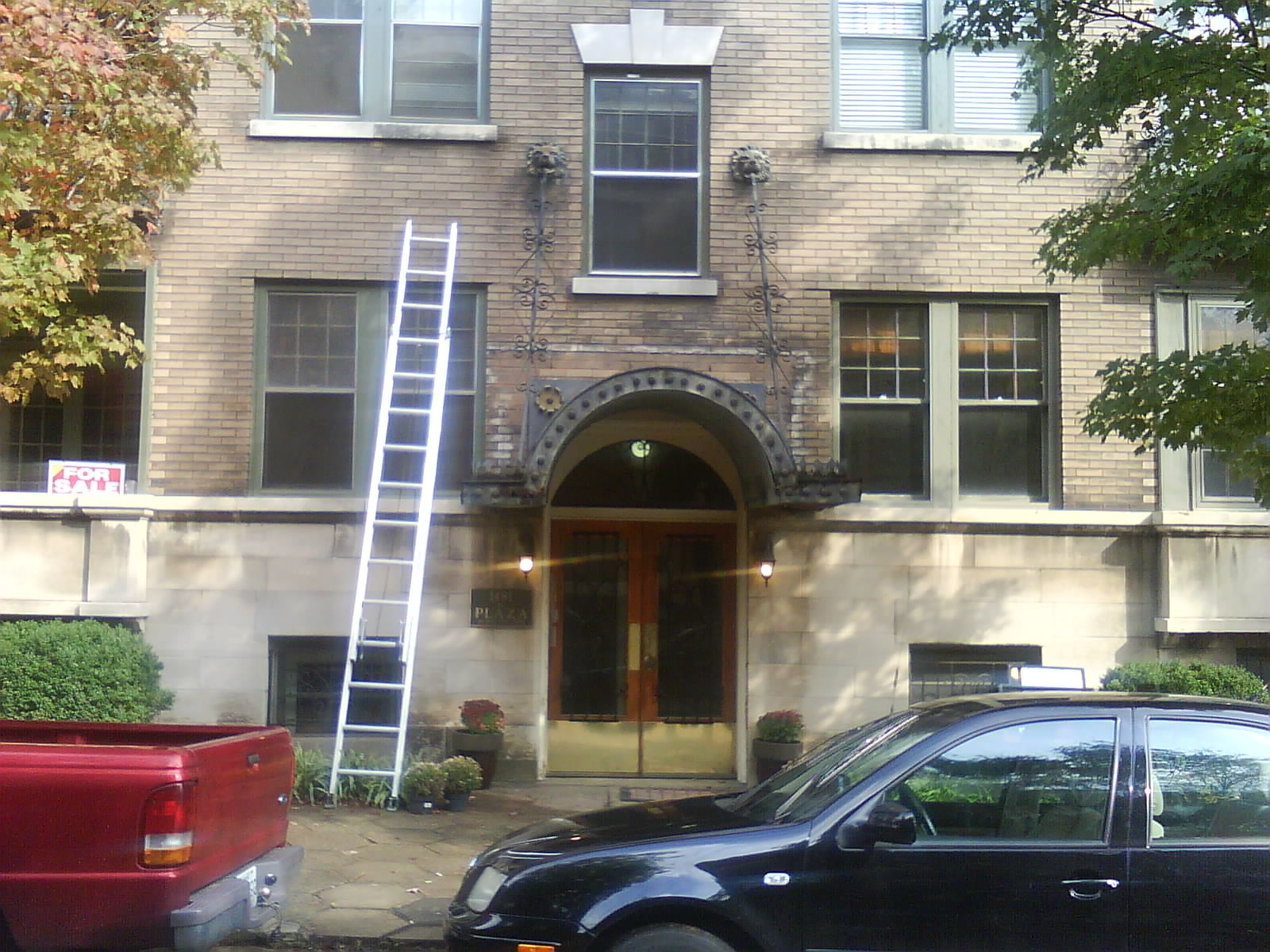
I’ve been working with the residents of this condo building for some time now to navigate the waters of the local landmarks ordinance with the intention of removing these hideous and poorly built entryway awnings.  These things were assumed by the landmarks committee “experts” to be original, and therefore in need of preservation. I’m not sure if they ever did any true survey or research work to come to this conclusion because there was evidence all-over a classical portico that preceded the current installation.

These things are corroded through and besides being an eyesore, they are a burden to maintain and would be impossible to recreate with the condo association’s budget.


In this photo it is easy to see the “ghost lines” of the former entryway surround with a flat roof. The sheet metal rectangle against the wall is also covering a limestone lintel that would have fit perfectly inside the original surround.

This is my design proposal which includes eliminating the rusty heaps and building a proper portico with a doric entablature.  The original wrought iron supports are retained and used as a partial load bearing aspect of the system.  The corbels do transfer some of the load, but more importantly they visually transfer the load and make the whole thing seem more believable.

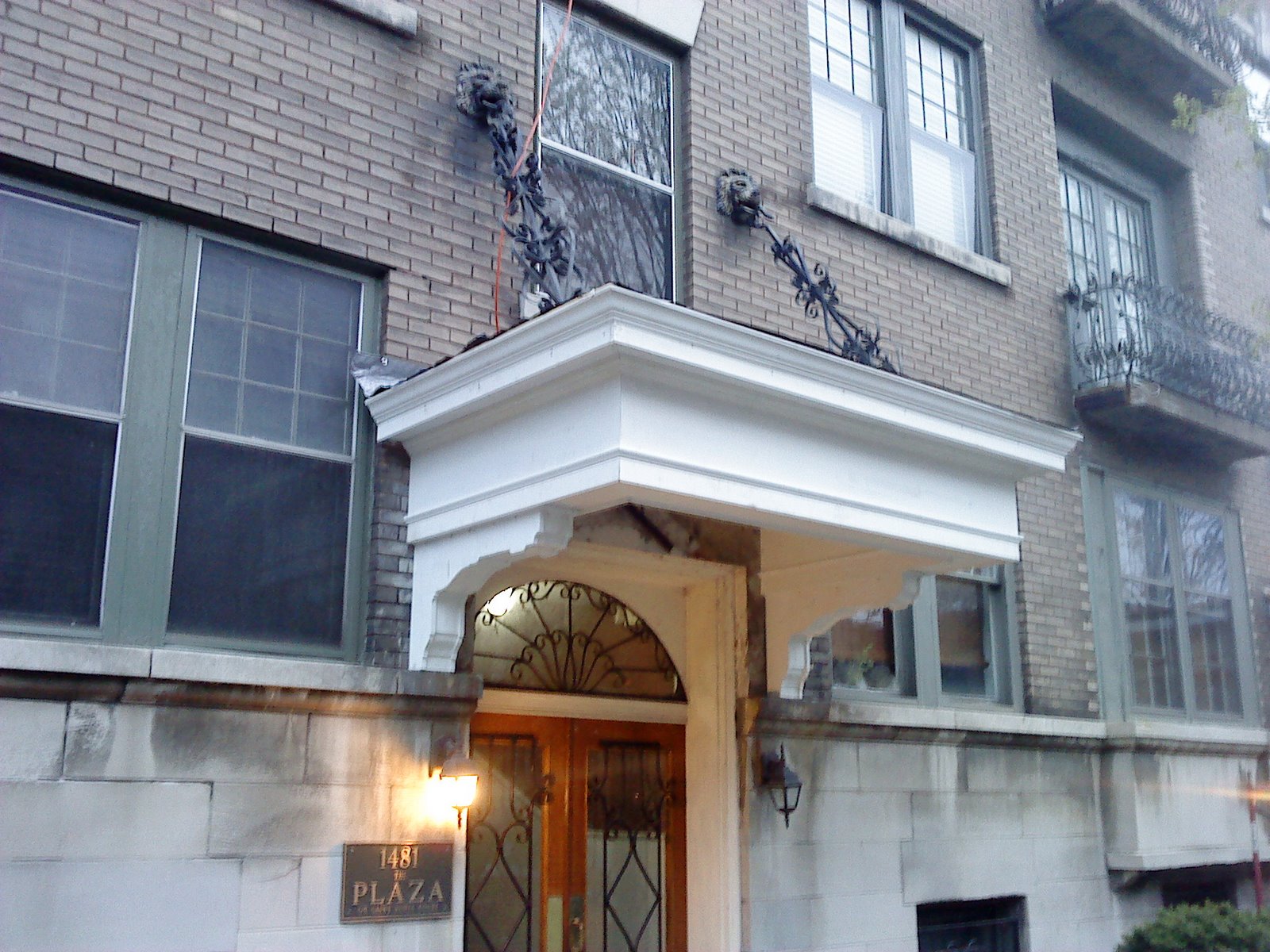
After much back-n-forth with the “experts” at landmarks, we got our approval and demolition began! Further inspection upon demolition revealed even more clues.  A cast stone lintel, previously covered by the barrel vault, flanks the doorway.  The new design frames the stone lintel.

Posted 31st March 2009 by Kurtis

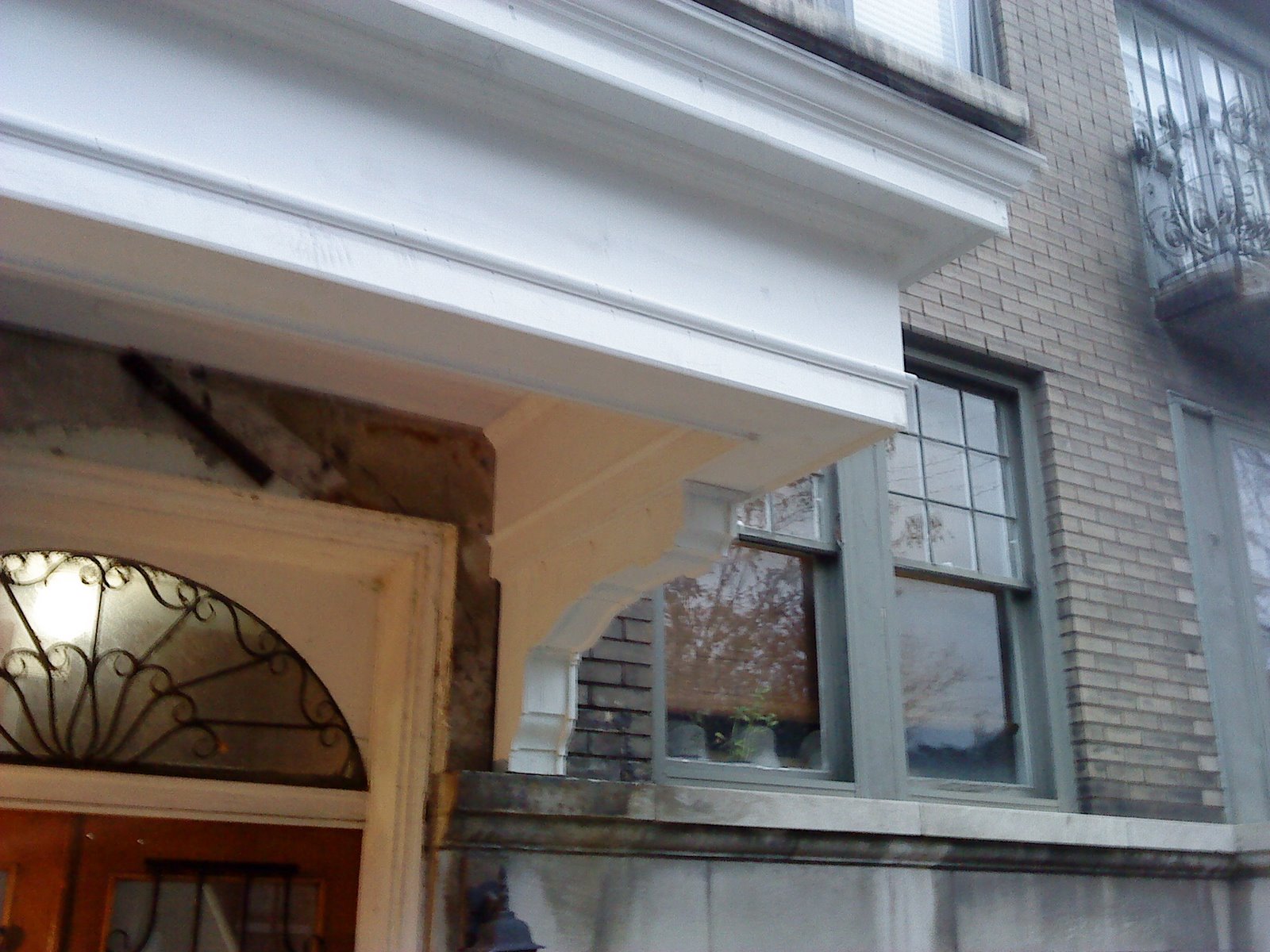
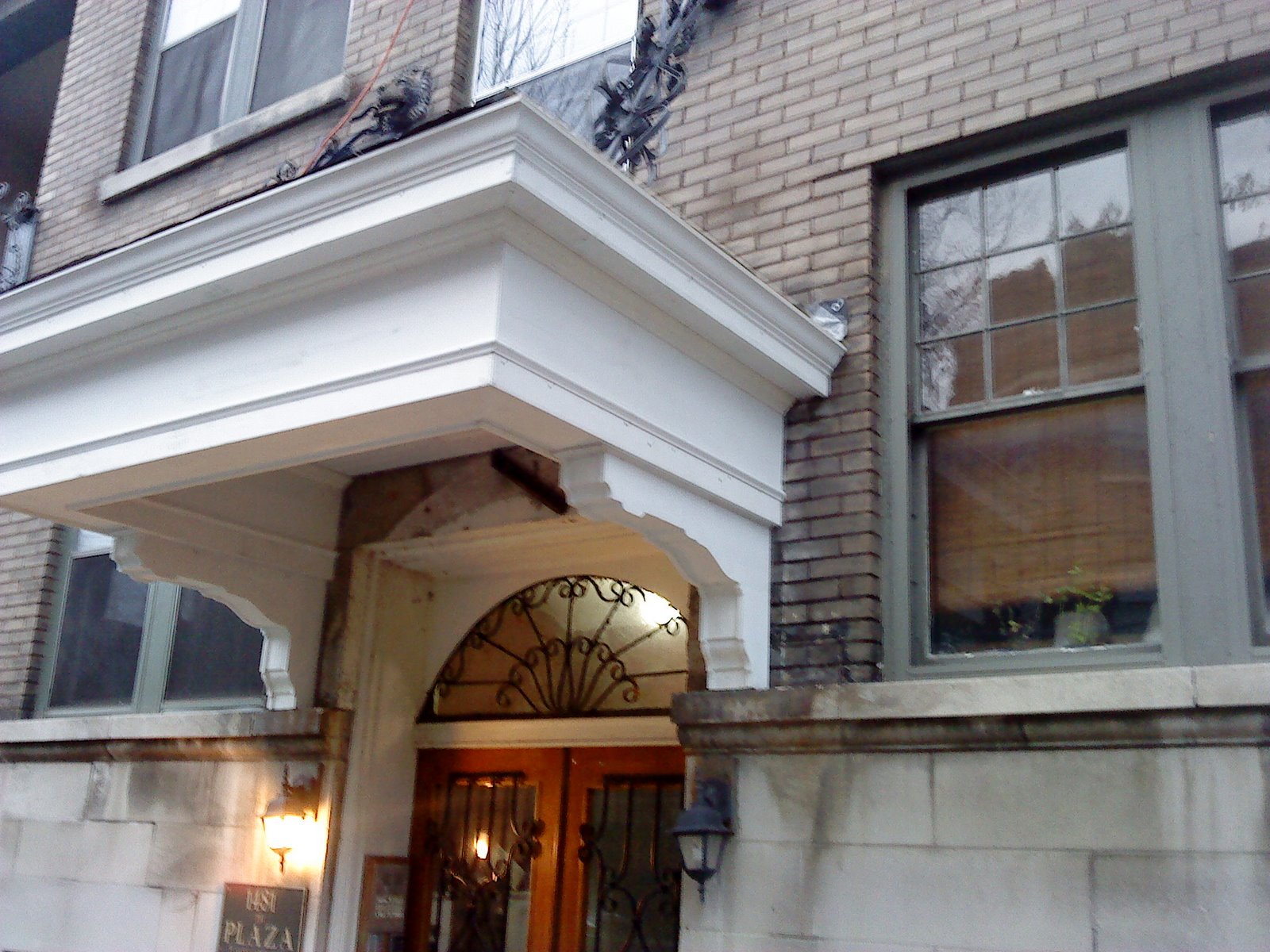
Things are starting to shape up on the Court.  We finished the trim carpentry on one of the two structures today.  Here are some photos of the progress:

Corbels installed…

View of the ceiling from the inside.

Renaissance Roofing, getting roasted.

In Europe, where the history and heritage of metal roofing comes from: flat lock was never used. It never even existed because they knew how to seam, and design their roofs properly.

They train for years to build actual permanent roofs, using methods they were adopted around the year 800 and are still in use today. Many of these european roofs have benchmarks for performing multiple centuries with no human intervention after the initial install.

True metal roofing: educating the next generation

They would lose their license or be kicked out of the trade organization for performing this kind of un-informed work anywhere else in the world.

Why is this important? It’s wasteful for one. Copper, and metal, and budgets on large public projects are not cheap in the US. The same amount of materials and labor could be applied with proper training and methods to produce much better results: results that will last centuries.

There is another issue: repairability. When you spend labor to slice up copper into “plates” fit them on the roof, and then solder them back together: you’e charged a whole bunch of money to put down a monolith, that will never be anything other than that. With free-seamed panels however if a repair of a single pan is ever required (bullets falling from the air, other trades mounting stuff and penetrating the roof at some point in it’s life… ) Then a single part of the roof can be repaired or re-worked without disturbing the entire assembly.

Throwback: Comparing real slating vs. “industry” work๏ปฟ

Posted 24th February 2009 by Kurtis

This is what a valley is supposed to look like.  Each course runs all the way to the exposure line and you shouldn’t see any of the next slate hanging down.  If your valley cut is wider than a normal bond you use a slate that is larger than the rest of the field slates to run all the way in.

This is what field should look like.  Slates are laying flat, the bottom of the slate shouldn’t be canted up in the air.  Gaps at the bottoms of the slates like those shown in the photo below are usually a sign of over-nailing, poor decking preparation, or lack of a cant strip at the bottom.

This picture shows a job where Commonwealth Roofing, from Louisville, KY stripped a perfectly good peach bottom roof from this house and laid new slate.  There was some damage to the box gutters and a dormer from a tree fall, but it only required replacement of the copper work and a few courses of slate.  I’m sure they convinced the homeowner or the insurance company that the whole thing needed to be re-done.  I guess that would have been OK, but the work they did is terrible.  This is a “new” roof.  It is only a few months old.  Notice all of the slates that are not laying flush and the inconsistent exposures everywhere.  Also they didn’t run each course all the way into the valley.

More of the same junk. ย These are not even the worst areas of this roof.

View comments

  1. jimmy March 8, 2009 at 12:21 AMI don’t even know what I’m looking at and the old stuff looks like total shit to me. I could never leave a job looking like that. I don’t know if I’m too anal or what, but I just don’t understand how people do work for others that isn’t 100%. Where’s the pride..
  2. Kurt March 8, 2009 at 10:31 AMJimmy the terrible-looking roof isn’t old. It was just finished this week by a local roofing company who advertises slate work. The word is greed. They convinced the homeowner or the insurance company that the whole thing needed to be re-roofed when really it just needed minor repairs. The original roof was better than what they got, even with the storm damage.
  3. Anonymous March 9, 2009 at 4:05 PMOf course – the real question is: who is the lucky homeowner for the 1st set of pictures? Those are georgous!Reply
  4. Kurt May 4, 2009 at 7:43 PMThe 1st set of pictures is a client’s house that we installed a new slate roof on.

Throwback: Design slam

Posted 5th September 2008 by Kurt๏ปฟ

Traditional vs. Traditional “looking”

Here is a good real-life example of traditional design intentions being executed poorly. This new house is infill on a street of mostly antebellum houses. It looks like it was constructed well using good materials by today’s standards. But they screwed up the proportions and some details which make the whole thing feel inauthentic. First: the pop-out in the center with the gable roof makes this a single oversized bay with symmetrical 2-bay wings. It puts too much emphasis on the center, making the other parts feel less significant. The large “paladian” window on the second floor is almost as big as the whole entryway on the first. It is poorly massed. A better configuration would have been a standard symmetrical 5-bay configuration with a single gable roof plan. This would be in character with most of the other houses on the street which are 3 or 5 bay with single gable. I know a stone foundation is not really cost effective for most building projects these days, but they should not have raised the foundation as high as it is. This is out of character with every structure around it. The oversized brick stoop is also too much.
Now the details: The large window casings are out of place on a brick structure. The windows should have a simple lintel and sill of stone or brick if stone is not in the budget. Considering the expense involved to produce those custom casings, they probably could have afforded limestone lintels and sills instead. And finally the cornice: the entablature is massed properly, but they used a tiny cyma molding in place of a bed mold, and again a tiny cyma where the crown should be about double the size of what it is. 

Compared to a traditional building:

Important characteristics to note on the traditional plan:
Size of the windows suggest hierarchy; the first floor is emphasized. The stoop is simple and understated. There is almost no setback, making the home contribute directly to the public space. There is no gratuitous trim or ornamentation, not even a cornice. The overhang is accomplished with corbeled brick.

Postedย 5th September 2008ย byย Kurt