


The Internet's Own Historic, Traditional, and Permanent Building HQ

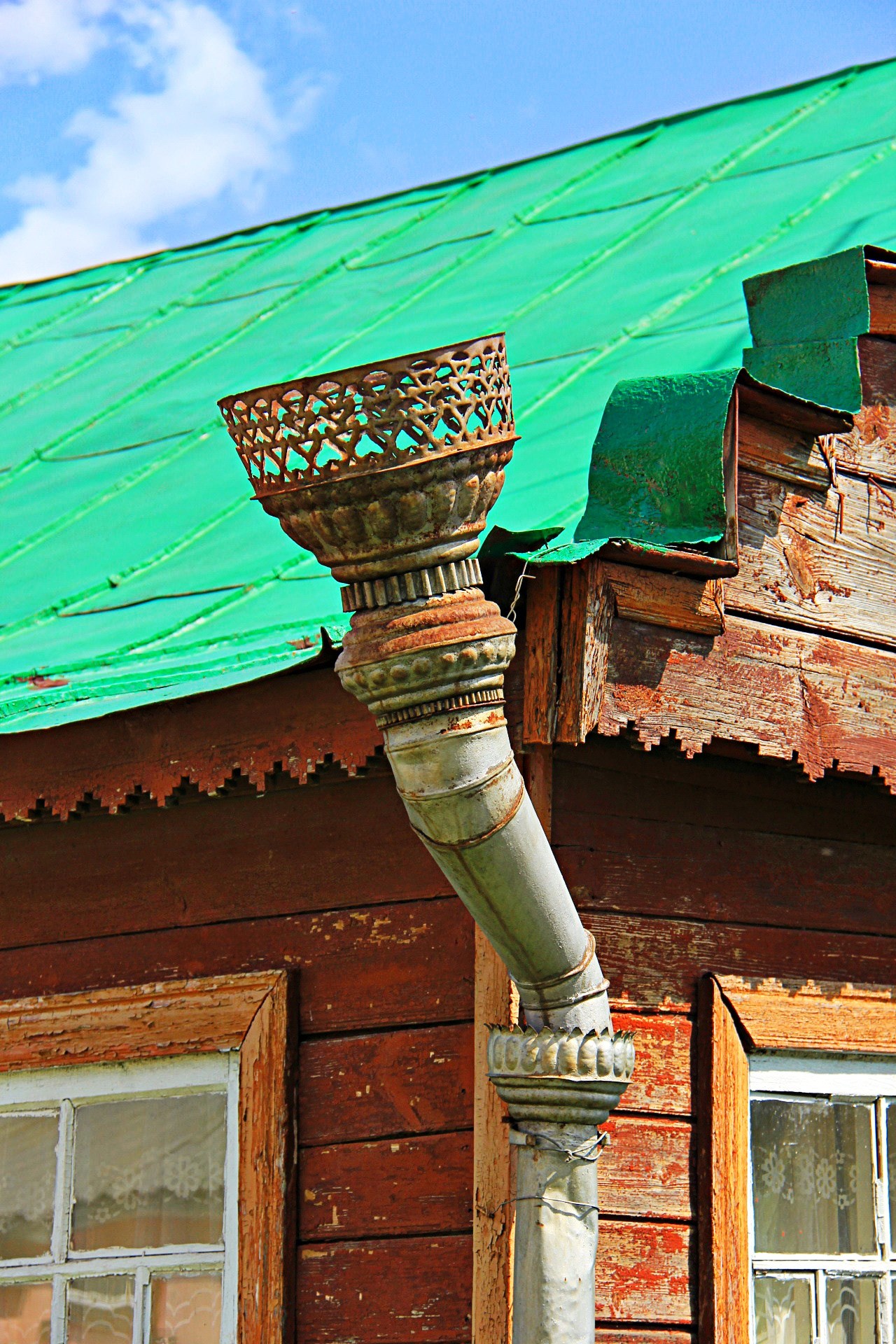


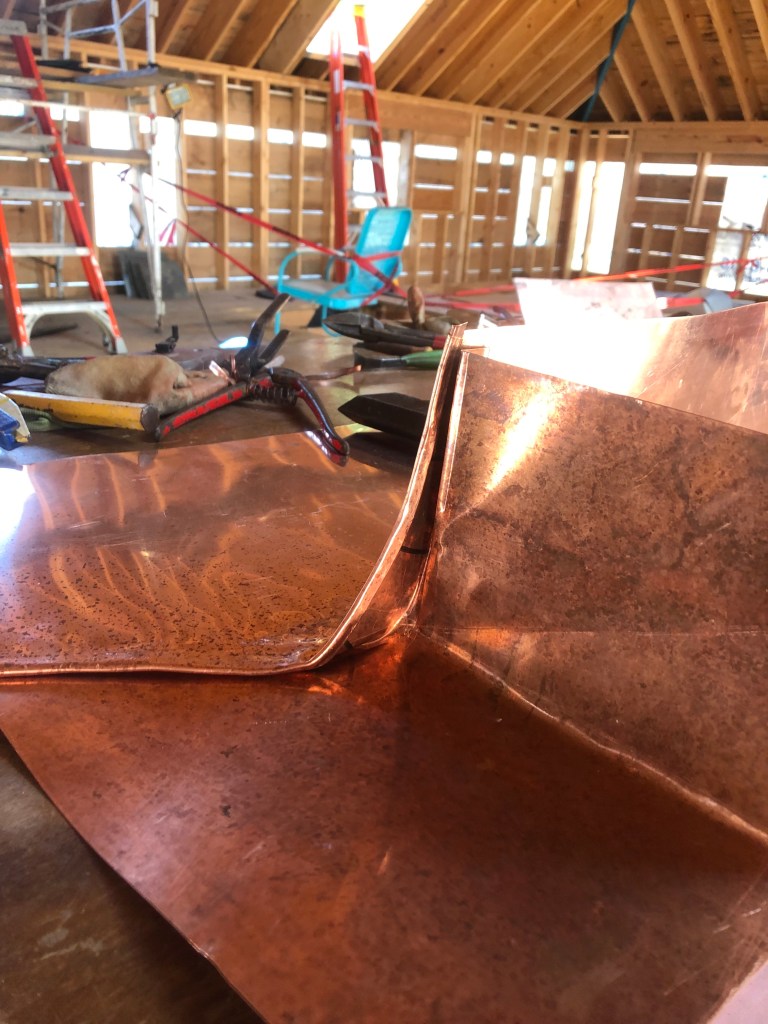

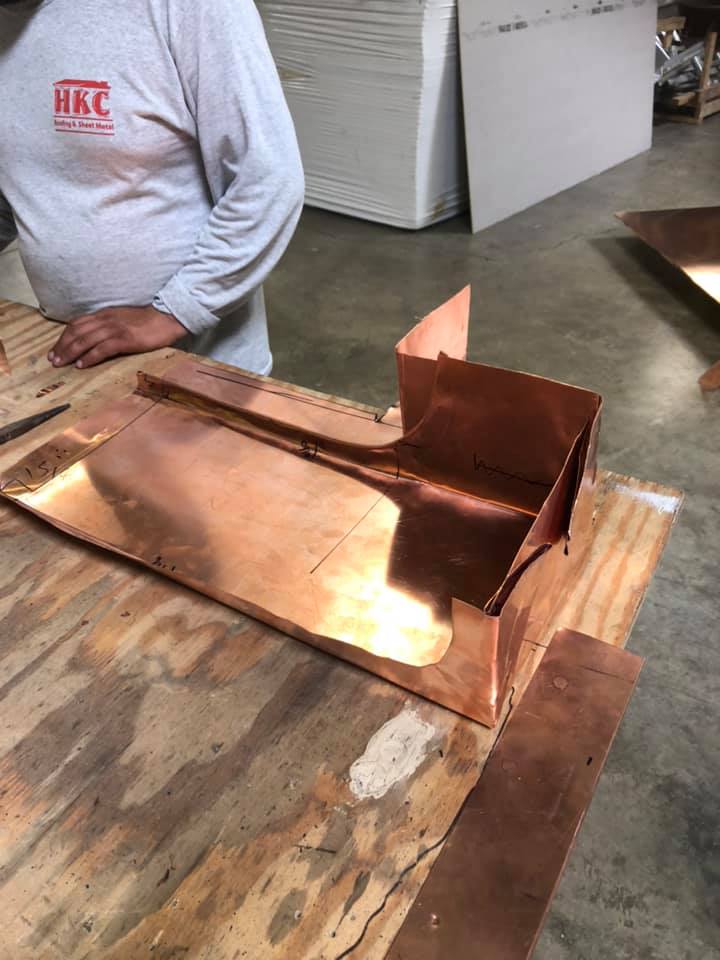
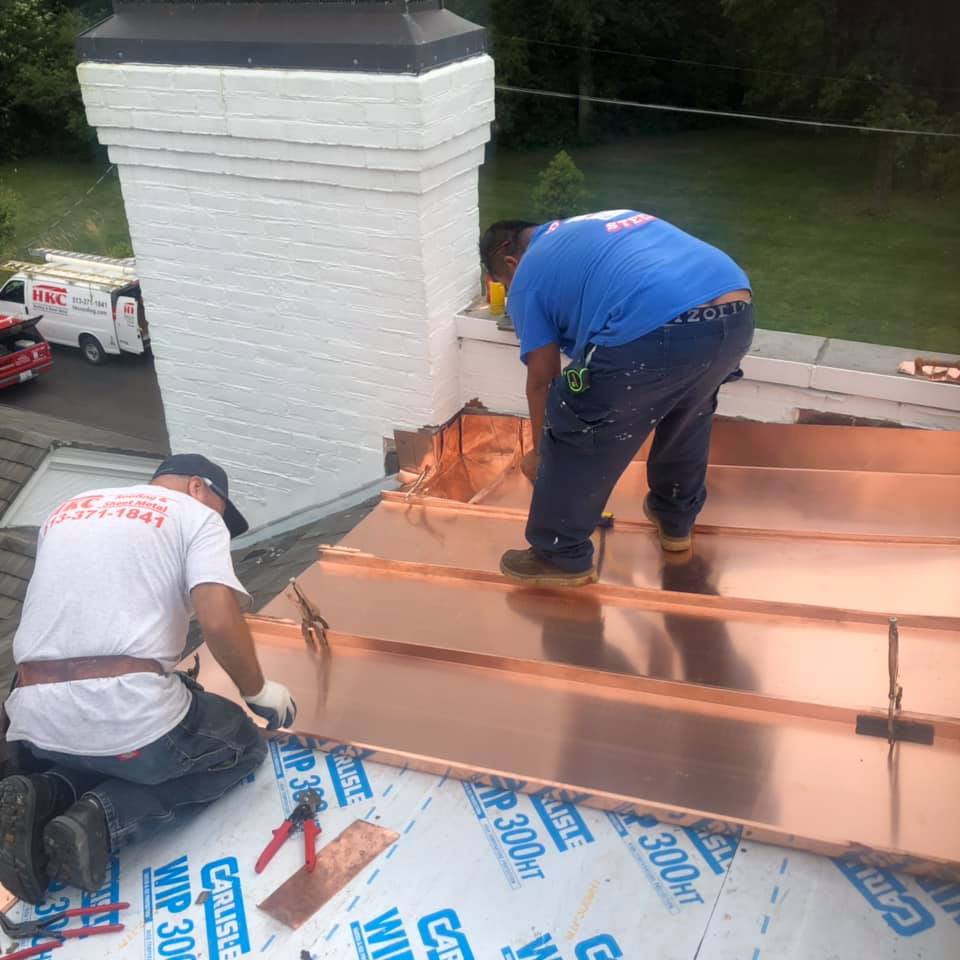
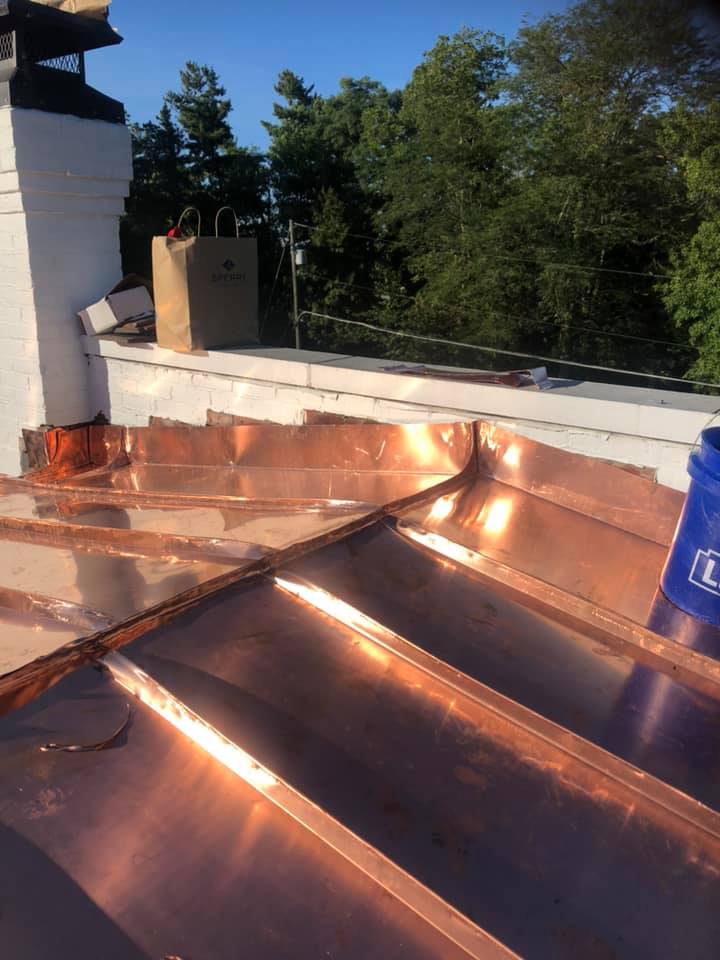
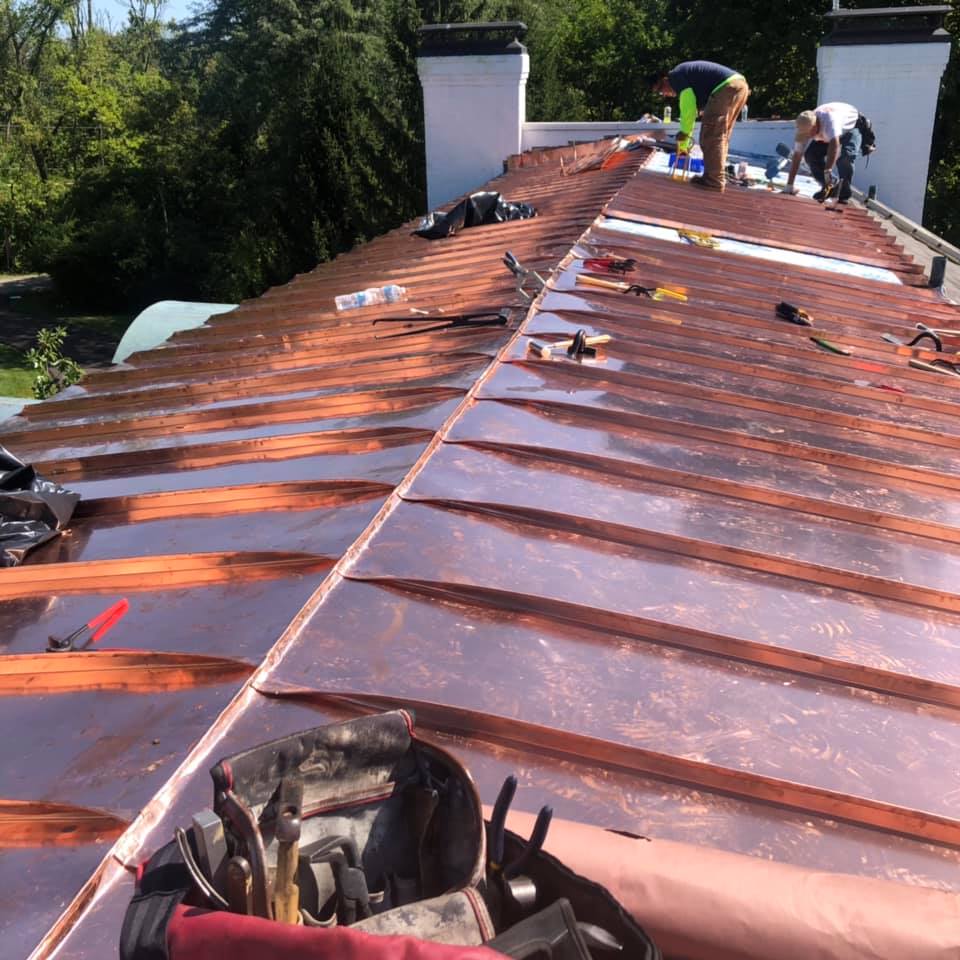
I’m heading back today to set up for the last side of the garage. Next up will be the built-in gutters on the main house. Here’s some shots I grabbed when I was on location last time.


I’ve took the last week away from titusville and stayed in Butler. While here i’ve been working on a new project: refining a new build of an authentic 2nd empire style house.
The initial design is centered around the lot/building size, and some very huge existing antique doors..
A modern architect had done some preliminary work, but the overall effect seemed to include a lot of added expense and aplique with no added value.


A new design was needed that fit the “shell” or building line, and those existing doors. Classical orders aren’t just for columns. The same rules of subdivision and segmentation should be used through the whole design. This is quite possible to do with off-the shelf profiles if you know how to layer them properly…
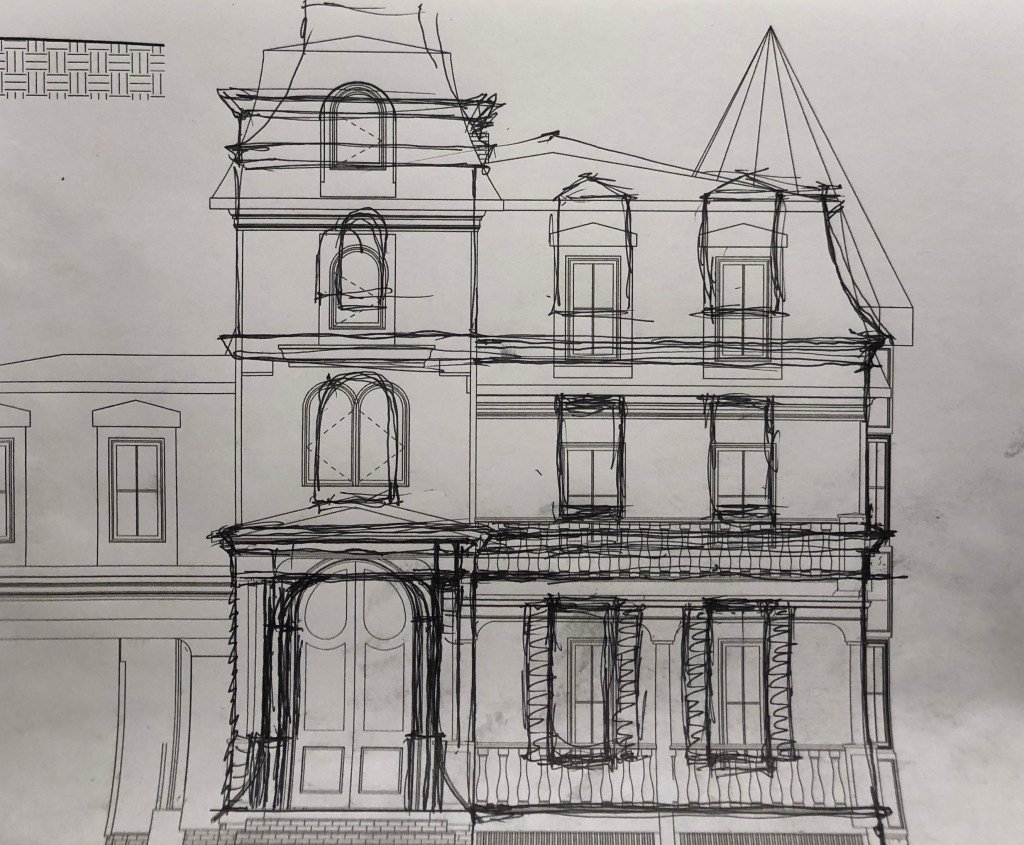
Classical proportions typically yield very large platform/ ceiling heights compared to spec building ceiling heights. In order to have an authentic second empire design, and keep the current fixed variables of door size and building width: a commitment to a much taller ceiling/platform height will be required. This will add expense in some places, however it will simplify other aspects of the build.
Simplicity comes from many places: The original plan features two different roof/cornice levels, and a costly porch on the north side with no prospects of use. As designed it will create a huge fabrication cost, and later maintenance/ cost center with flat roofs, protrusions, and two levels of cornice intersecting.
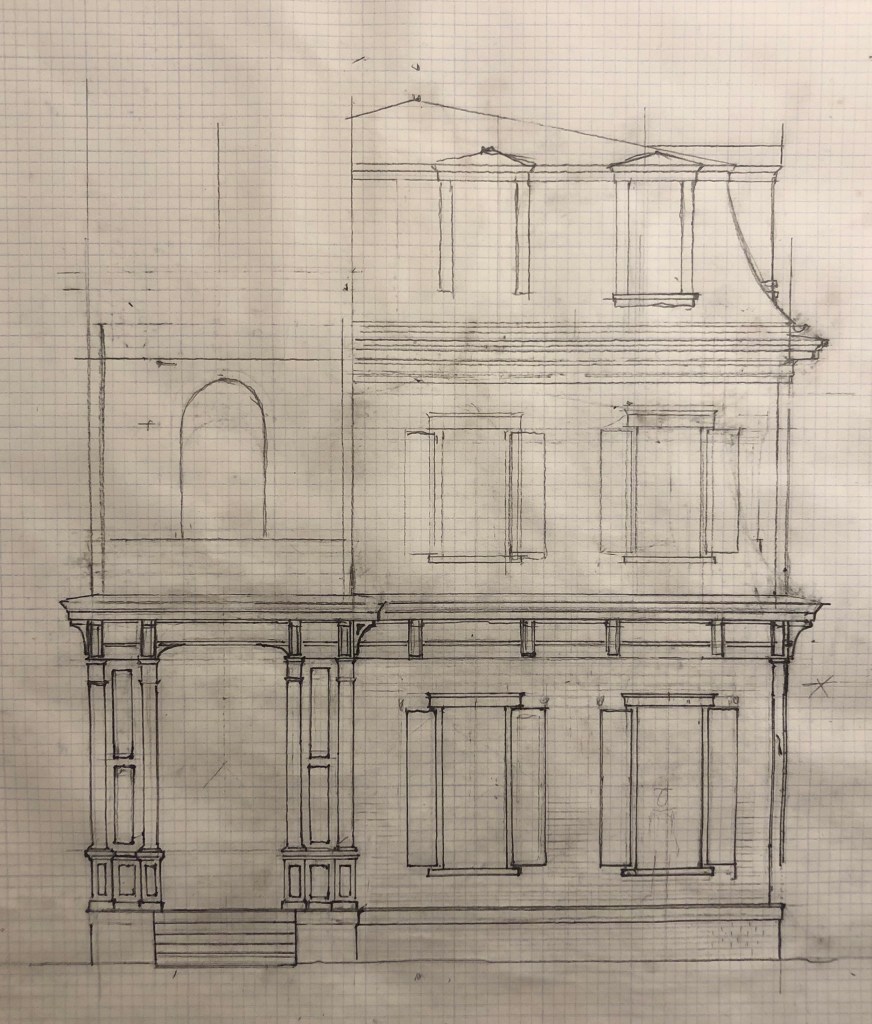
Proposed is a much simpler, yet much more detailed facade: First the main feature and “curb appeal” is created through proper proportions and detailing rather than aplique. The porch has been removed, allowing the brickwork on the foundation to shine, as well as the functional shutters and large “show peice” windows.
The entryway has been simplified as well, there is no longer a portico, but rather twin square column segments and paneling, with the platform now being inside the building line, and the doors moved to the foyer wall, on the interior. The cornice for the first floor will have brackets with a metal shelf above, no gutter. This design actually hides the imposing size of the doors and frames them within the entryway. This would have been typical for many classical entablatures as the beam and nape of the columns are usually 12-16” lower than the ceiling.

The cornice on both platforms is real, however the built-in gutter has been removed in place of a low-pitch shelf. Roof plumbing is accomplished with a 6” half-round gutter at the eave of the mansard. This configuration gives the ease of maintenance and service life of a hanging gutter, with the look of a full cornice from below. The shelves above the cornice help to shade the windows during high sun, and direct run-off from the upper walls during heavy rains. Functional shutters on all the south-facing windows further help to protect this elevation from brutal summer thermal loading.
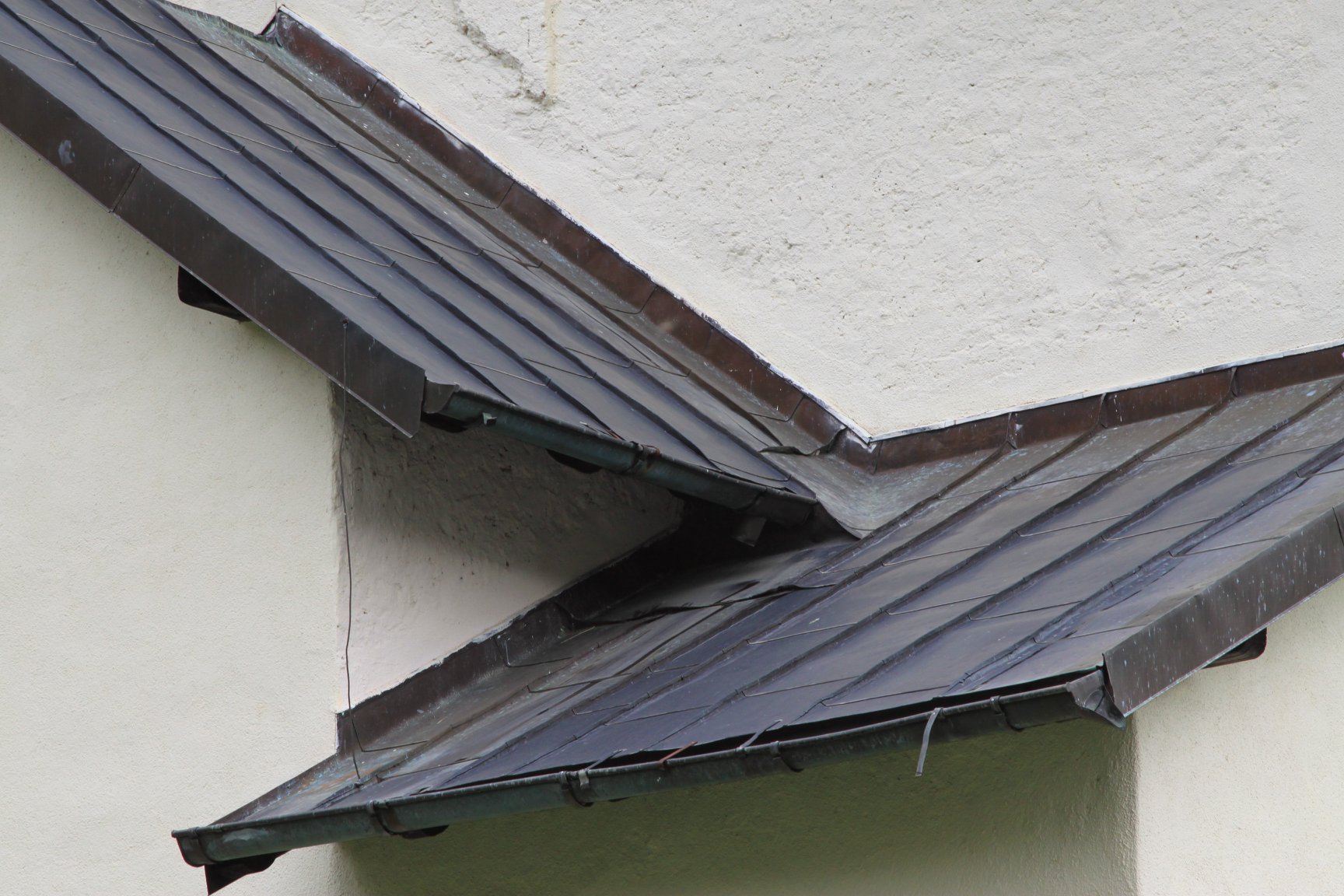
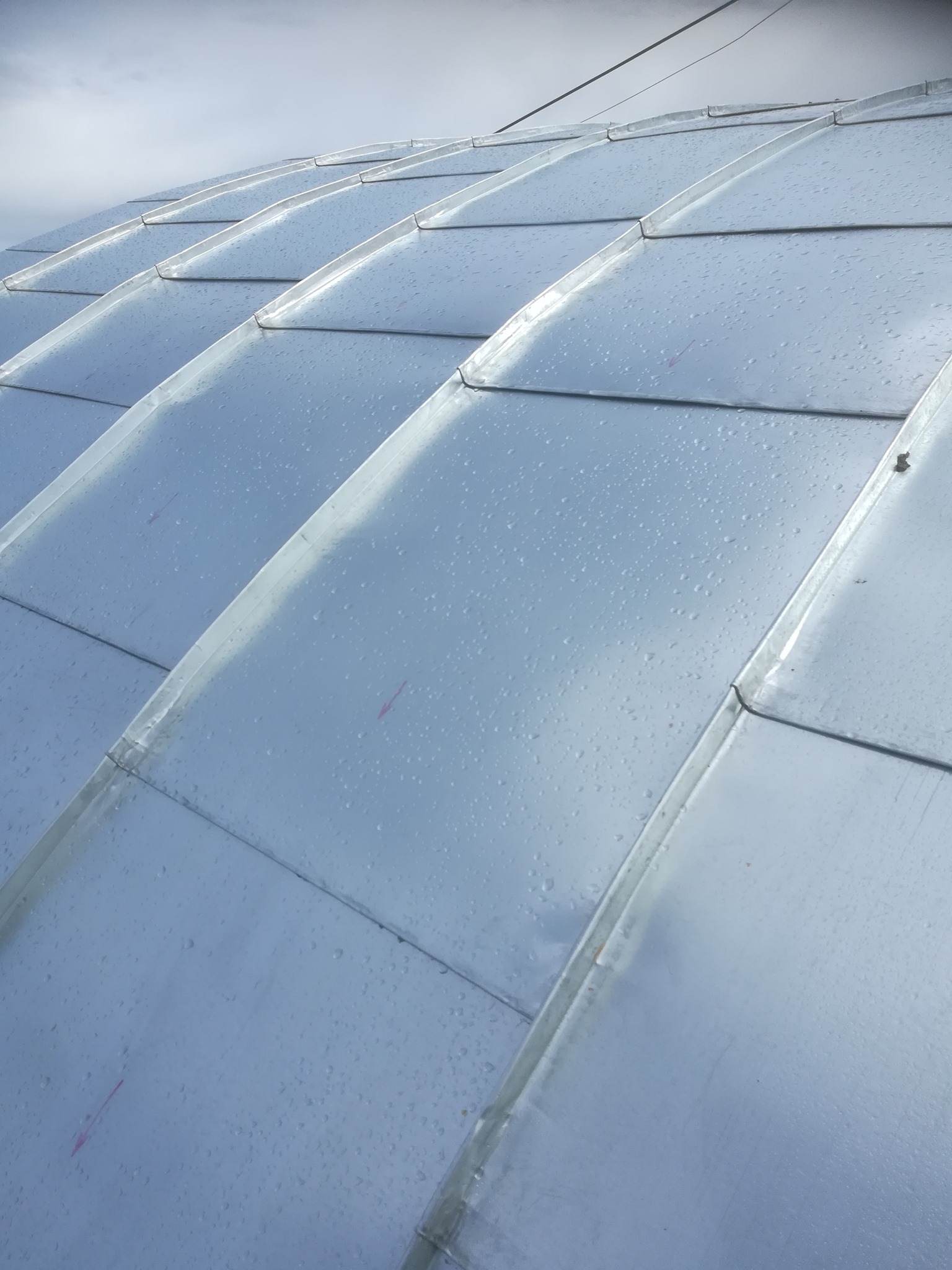


I will continue to say this until everyone gets it: the value inherit in trad metal roofing is it’s repairability. this roof has provided 100 years of initial return on investment… weather thru failure of an induvidual component, or alteration, any life cycle requirement of the roof can be met with spot repairs and still the inegrity remains.

 Trad Building
You must be logged in to post a comment.